
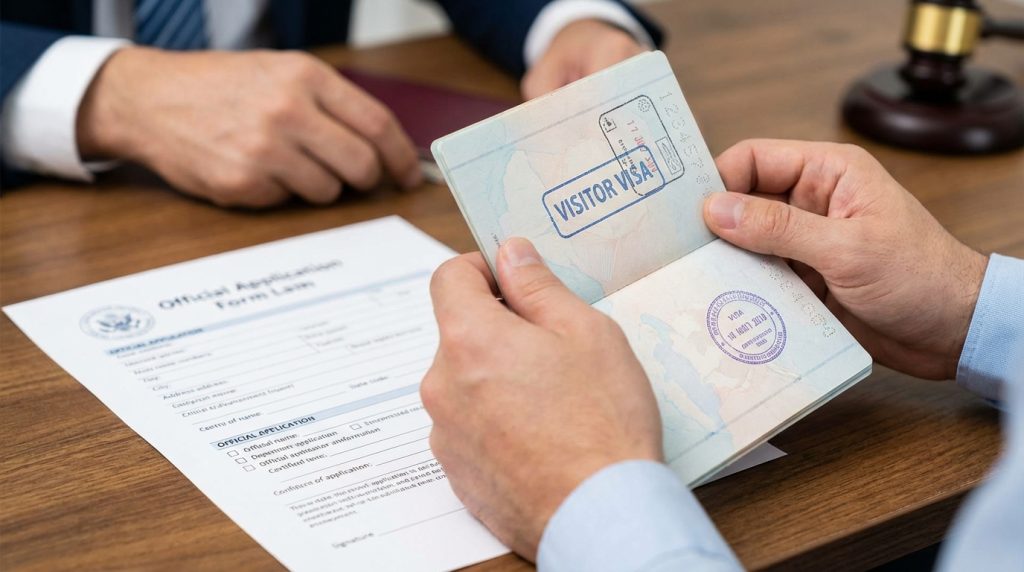
Planning a trip to the Great White North often involves more than just packing a warm jacket. For many international travelers currently in the United States, the journey includes a transition across one of the world’s most iconic land borders. However, understanding the requirements for a Canada visitor visa temporary resident visa is the first and most critical step in ensuring your trip isn’t cut short at the gate.
In this guide, we’ll break down the essentials of the Temporary Resident Visa (TRV) and provide expert tips for entering Canada through a US border crossing with ease.
What is a Canada Visitor Visa (Temporary Resident Visa)?
Commonly referred to as a TRV, the Canada visitor visa temporary resident visa is an official document placed in your passport by a Canadian visa office. It proves that you have met the requirements for admission to Canada as a temporary resident—whether as a tourist, a student, or a temporary worker.
While citizens of “visa-exempt” countries may only need an Electronic Travel Authorization (eTA) when flying, the rules change when you are traveling by land. It is vital to check your specific country’s requirements before you reach the border, as a TRV must be obtained before you arrive at the port of entry.
The Logistics of Entering Canada Through a US Border Crossing
For those road-tripping or taking a bus from the United States, entering Canada through a US border crossing is a unique experience. Unlike airport arrivals, land crossings involve a direct interaction with a Canada Border Services Agency (CBSA) officer while you are in your vehicle or on foot.
Essential Documentation for Land Entry
To ensure a smooth transition, have these documents ready:
- A Valid Passport: Ensure it is not nearing its expiry date.
- Your TRV: Stamped inside your passport (if applicable).
- Proof of Status in the US: If you are a visitor in the US, carry your I-94 or visa details.
- Financial Support: Evidence that you have enough funds for your stay.
- Ties to Your Home Country: Officers may ask for proof that you intend to leave Canada at the end of your visit (e.g., a return ticket or employment letter).
Tips for a Professional and Stress-Free Crossing
The “human touch” in travel planning often comes down to preparation. Border officers are looking for honesty and clarity. Here is how to handle the interview:
- Be Direct: When asked about the purpose of your visit, be specific. “Visiting the Banff National Park for five days” is much better than “Just looking around.”
- Declare Everything: Whether it’s gifts for friends or specific food items, transparency is your best friend.
- Check the ArriveCAN App: While requirements shift, staying updated via official government apps shows you are a responsible traveler.
Why Quality Information Matters for Your Trip
Search engines and border officials alike value “authority and trust.” By ensuring your paperwork for the Canada visitor visa temporary resident visa is impeccable and your itinerary is clear, you satisfy both the digital algorithms and the real-world requirements of international travel.
Final Thoughts
Entering Canada from the US is a beautiful way to see the continent, but it requires a “safety first” approach to documentation. By securing your Canada visitor visa temporary resident visa early and understanding the nuances of entering Canada through a US border crossing, you can focus on the sights rather than the paperwork.
