
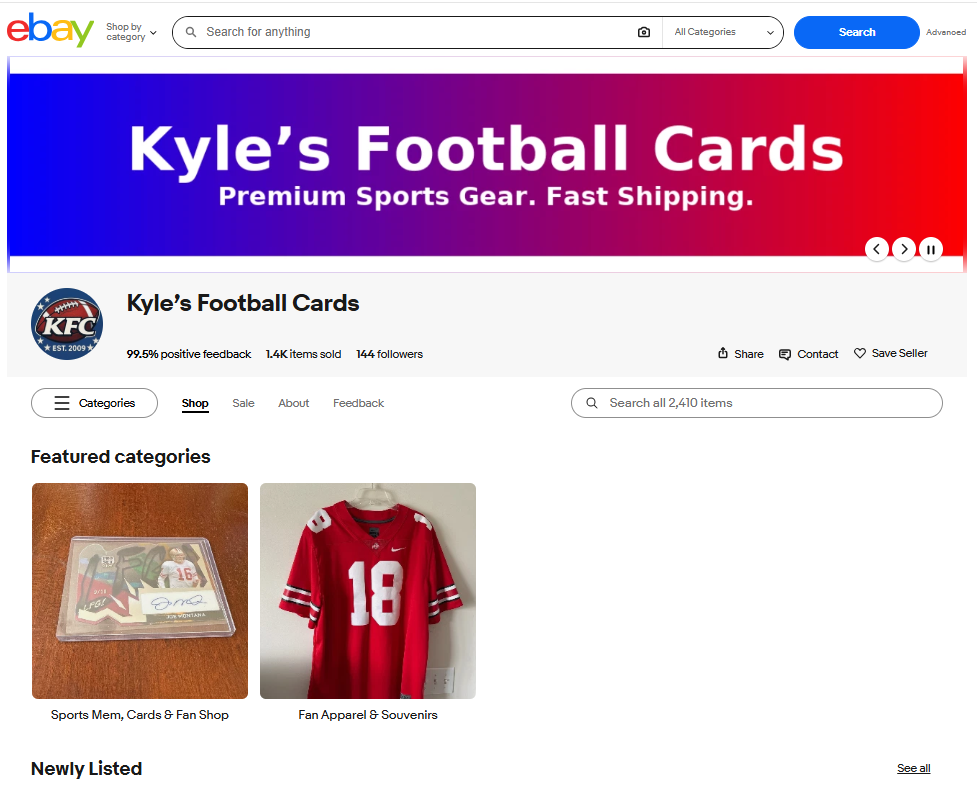
Card grading has become one of the most important aspects of modern football card collecting. As the market continues to mature, collectors and investors rely on professional grading to determine a card’s condition, authenticity, and overall value. Whether you are buying raw cards or graded slabs, sourcing items from reputable sellers such as kylesfootballcards helps ensure quality and confidence in every purchase.
What Is Card Grading?
Card grading is the process of evaluating a trading card based on specific criteria, including centering, corners, edges, and surface quality. Professional grading companies assign a numerical grade that reflects the card’s overall condition. This standardized system helps buyers and sellers communicate value clearly.
Graded cards are encapsulated in protective cases, which preserve condition and provide tamper resistance. As a result, graded cards often command higher prices than ungraded cards.
Why Graded Cards Hold More Value
One of the primary reasons graded cards are valuable is trust. A third-party grading company offers an unbiased assessment, reducing uncertainty for buyers. This transparency is especially important in online marketplaces, where physical inspection is not possible.
Benefits of graded cards include:
- Verified authenticity
- Clearly defined condition standards
- Increased resale potential
- Long-term preservation
Collectors who prioritize graded cards often view them as more secure investments.
How Condition Affects Market Demand
Condition plays a crucial role in determining demand. Two identical cards featuring the same player can have vastly different values depending on their grade. Even small imperfections can significantly impact pricing.
High-grade cards are especially desirable among investors, as they are rarer and more likely to appreciate over time. This makes careful sourcing and handling essential.
When to Consider Grading a Card
Not every card needs to be graded. Collectors typically consider grading when a card is rare, valuable, or in excellent condition. Rookie cards, autographed cards, and limited-edition releases are common candidates for grading.
Before grading, collectors should assess:
- Market value versus grading cost
- Current condition and potential grade
- Long-term holding strategy
Making informed grading decisions helps maximize return on investment.
The Role of the Seller in Card Quality
The seller plays a critical role in the grading outcome. Proper storage, minimal handling, and secure packaging help preserve card condition before it reaches the buyer. Sellers who understand grading standards are more likely to offer cards suitable for professional evaluation.
Buying from experienced sellers reduces the risk of hidden damage or misrepresentation that could affect grading results.
Grading Trends in the Football Card Market
As demand for football cards continues to rise, grading trends evolve. Certain players, teams, and seasons attract increased attention, driving grading submissions and market value. Staying informed about these trends helps collectors make smarter purchasing decisions.
Knowledgeable sellers often curate inventory that aligns with current demand, adding value for collectors and investors alike.
Conclusion: Making Informed Grading Decisions
Card grading adds clarity, protection, and value to football card collecting. Understanding grading standards and sourcing cards from reliable sellers helps collectors build stronger, more valuable collections. Whether you collect for passion or investment, informed decisions make all the difference.
For collectors seeking quality cards suitable for grading and long-term value, kylesfootballcards offers a trusted source backed by professionalism and consistency.
