
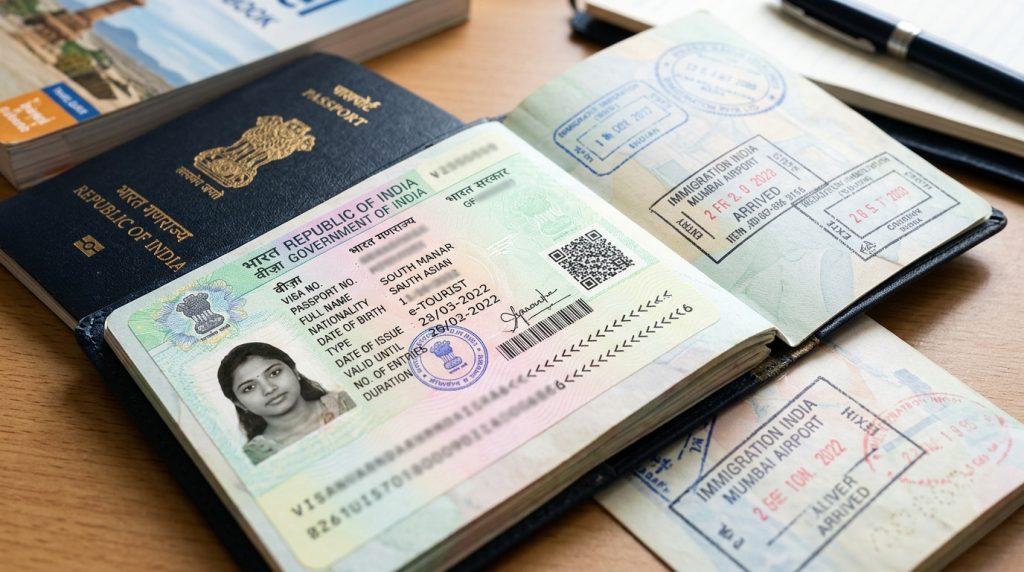
Planning a journey to India—a land renowned for its profound historical heritage, vibrant cultural tapestries, and booming economic landscape—is an exciting venture. In recent years, the Government of India has revolutionized its entry protocols by expanding the Electronic Travel Authorization (ETA) framework. This digital shift allows international visitors to secure their travel permits entirely online, eliminating the stress of in-person embassy interviews and complex physical paperwork.
However, a smooth digital process relies entirely on the applicant’s attention to detail. Navigating the platform requires a clear understanding of regional eligibility, documentation rules, and the exact steps needed to ensure a fast approval.
The Digital Evolution of Indian Immigration
The implementation of the Indian e-Visa program represents a major leap forward in modernizing international travel. What used to take weeks of mail-in documentation and passport handling can now be completed from a home computer or smartphone within a few days. The electronic system caters to several distinct travel intents, including tourism, short-term business ventures, medical treatments, and attendance at international conferences.
When applying, the system issues an Electronic Travel Authorization. This document is linked digitally to your passport, though border control authorities still require a physical printout upon arrival at designated Indian ports of entry. Understanding how your specific nationality interacts with this digital portal is the crucial first step to ensuring a seamless entry.
Tailored Entry Pathways for Atlantic and Caribbean Passports
The rules governing electronic entry are updated regularly based on bilateral ties and international agreements. Travelers must verify that their country of citizenship is listed on the active eligibility roster before initiating the online application process.
For travelers coming from the volcanic archipelago of West Africa, specific protocols are in place to facilitate entry. Reviewing the precise documentation guidelines for an INDIAN VISA FOR CAPE VERDEAN CITIZENS allows applicants from this region to understand specific fee structures, processing timelines, and necessary security clearances. Ensuring that your digital scans are flawless prevents the system from triggering automated flags.
Similarly, travelers originating from British Overseas Territories in the Caribbean have their own designated framework. Accessing the appropriate portal details for an INDIAN VISA FOR CAYMAN ISLAND CITIZENS guarantees that applicants understand the specific entry points allowed under this e-Visa tier. It is important to note that while the electronic authorization grants access to the country, it restricts entry to specific designated international airports and seaports across India.
Critical Document Specifications and Form Precision
The primary reason online visa applications face processing delays or rejections is not a lack of eligibility, but rather minor technical mistakes during the data entry or document upload phase. To ensure your submission passes the automated consular checks on the first try, pay close attention to the following parameters:
- Passport Validity and Condition: Your passport must possess a minimum validity of six months from the exact date you plan to land on Indian soil. Additionally, the border control staff requires at least two blank pages for physical stamping.
- The Biography Page Scan: You must upload a clear, legible PDF scan of your passport’s biography page. The text, passport number, and photo must be completely visible without any glares, crops, or blurriness.
- Photograph Requirements: The digital photograph must be a recent, square, front-facing image against a plain white background. Images showing shadows, uniforms, or eyeglasses will be systematically rejected by the system.
- Data Matching: Every detail typed into the online form—such as the spelling of middle names, place of birth, and passport issue dates—must match your passport layout down to the individual character.
Step-by-Step Strategy for a Flawless Application
Approaching the application portal systematically reduces the margin for error and guarantees peace of mind.
- Prepare Files Before Starting: Gather your digital passport photograph, the PDF scan of your passport page, and your exact accommodation or host details in India before opening the portal.
- Fill out the Form Methodically: Take your time navigating the multiple tabs of the form. Pay extra attention to the “Reference Name” sections, ensuring you provide a verifiable contact in both India (like your hotel) and your home country.
- Comprehensive Data Review: Before proceeding to the payment gateway, use the application summary page to double-check every entry field. Once payment is made, editing the form is no longer possible.
- Secure the Printouts: Upon receiving the approval email containing your ETA, print at least two high-quality physical copies. Keep one copy in your carry-on luggage and another in your digital storage for safety during your travels.
