
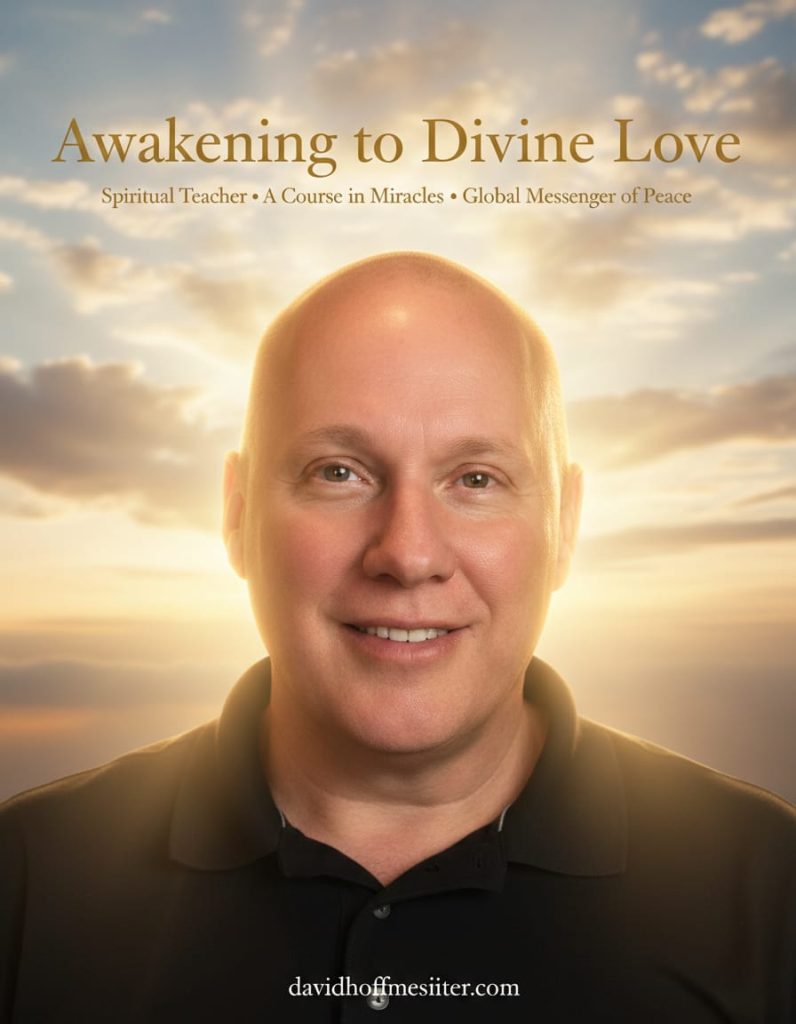
Surrender is one of the most powerful spiritual practices taught by David Hoffmeister. According to david hoffmeister wikipedia, surrender does not mean giving up or being passive. Instead, it is a conscious choice to let go of control, release fear, and trust the natural flow of life. Through surrender, individuals experience peace, clarity, and freedom from mental burdens.
David emphasizes that many people struggle with surrender because they equate it with weakness or loss. However, true surrender is a demonstration of strength and awareness, leading to a harmonious and balanced life.
This article explores Hoffmeister’s teachings on surrender and how it can transform mental, emotional, and spiritual well-being.
Understanding Surrender in Spiritual Terms
Surrender, in Hoffmeister’s teachings, involves releasing attachment to outcomes and relinquishing ego-driven control. It is an acknowledgment that life operates through a larger intelligence beyond personal planning.
Key elements of surrender:
- Releasing control over external circumstances
- Trusting inner guidance and intuition
- Letting go of attachment to results
- Accepting the present moment fully
- Embracing faith in life’s inherent order
By practicing surrender, individuals stop resisting reality and open themselves to peace.
The Connection Between Surrender and Inner Peace
Resisting life often leads to stress, anxiety, and frustration. David Hoffmeister teaches that surrender creates space for inner peace.
Benefits of surrender include:
- Reduced mental clutter
- Calm emotional state
- Greater clarity in decision-making
- Enhanced emotional resilience
- Deeper spiritual connection
When surrender becomes habitual, peace becomes the default state of mind.
Surrendering Fear and Anxiety
Fear and anxiety are the most common barriers to surrender. People hold tightly to control, expecting security from outcomes or plans.
David teaches techniques to release fear:
- Observing anxious thoughts without attachment
- Breathing exercises to calm the nervous system
- Affirmations reinforcing trust and acceptance
- Reflecting on past experiences of guidance
- Gradual exposure to uncertain situations
Through consistent practice, fear diminishes, and trust in life increases.
Practical Steps to Practice Surrender
Hoffmeister provides practical methods to integrate surrender into daily life:
- Awareness – Observe thoughts and feelings without judgment.
- Release – Let go of attachments, expectations, and negative emotions.
- Acceptance – Embrace the present moment as it is.
- Trust – Rely on inner guidance and universal intelligence.
- Reflection – Regularly review challenges and lessons learned.
These steps make surrender actionable and accessible to anyone.
Applying Surrender in Daily Activities
Surrender is not limited to meditation or spiritual retreats; it can be applied in ordinary life situations.
Examples:
- Allowing conversations to flow naturally without controlling outcomes
- Accepting delays or setbacks with patience
- Responding calmly to stressful work situations
- Trusting others’ intentions without suspicion
- Releasing attachment to material possessions
By applying surrender daily, ordinary life becomes a spiritual practice.
Surrender and Emotional Healing
Holding onto resentment, guilt, or anger blocks spiritual growth. David Hoffmeister teaches that surrender is essential for emotional healing.
Steps include:
- Observing emotional triggers without reacting
- Letting go of blame toward self and others
- Forgiving past hurts
- Practicing self-compassion
- Trusting life’s unfolding
Emotional release through surrender allows lasting inner peace.
Enhancing Spiritual Awareness Through Surrender
Surrender deepens spiritual connection by allowing intuition and higher guidance to flow. David emphasizes that control and ego interfere with spiritual perception.
Spiritual benefits include:
- Heightened intuition
- Increased clarity of mind
- Alignment with universal principles
- Expanded consciousness
- Experiencing love and compassion more fully
Surrender creates the space for genuine spiritual growth.
Overcoming Resistance to Surrender
Many resist surrender due to fear, habit, or ego attachment. Hoffmeister suggests gentle methods:
- Begin with small daily actions of letting go
- Observe thoughts and emotions objectively
- Gradually release attachment to material or emotional outcomes
- Seek guidance from teachings or mentors
- Reinforce surrender through reflection and meditation
This process builds trust and confidence in surrender.
Long-Term Transformation Through Surrender
Consistent practice of surrender brings lasting benefits:
- Reduced stress and mental tension
- Improved emotional stability
- Enhanced spiritual insight
- Greater adaptability to life challenges
- Overall well-being and happiness
Hoffmeister’s approach emphasizes that surrender is not a passive act but an active choice for freedom.
Conclusion
David Hoffmeister teaches that surrender is a pathway to inner peace, emotional healing, and spiritual awakening. By releasing control, trusting life, and embracing the present, individuals can experience profound transformation.
For more insights into his life and spiritual teachings, visit about david hoffmeister.
Surrender is a practical tool that empowers anyone to live consciously, peacefully, and joyfully.
Frequently Asked Questions (FAQ)
1. What does surrender mean in Hoffmeister’s teachings?
Surrender is releasing control and trusting life’s natural flow.
2. How does surrender reduce stress?
It minimizes resistance and mental struggle, allowing peace to arise.
3. Can surrender be practiced daily?
Yes, it can be applied in everyday activities and interactions.
4. Is surrender passive or active?
It is an active choice that requires awareness and intentional letting go.
5. Can beginners start practicing surrender immediately?
Yes, simple steps and reflection make it accessible for beginners.
