
Time moves at a constant pace, yet keeping track of its exact passage can be surprisingly tricky. Most people measure their lives entirely in years, but our true chronological footprint is much more detailed. It consists of a continuous stream of months, weeks, days, hours, and minutes.
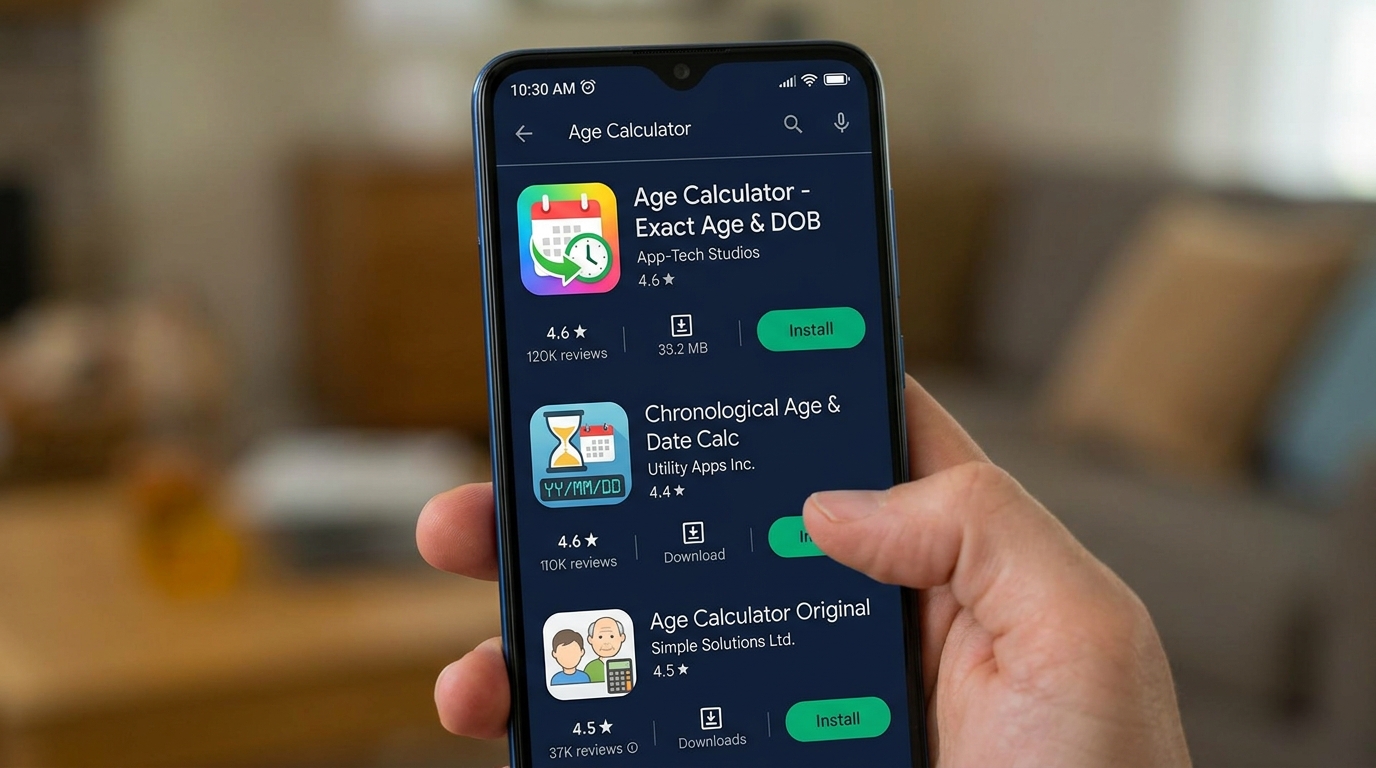
Whether you are preparing a time-sensitive official application, managing corporate milestones, or tracking a loved one’s growth, relying on rough mental estimates can lead to annoying discrepancies. Modern digital tools have transformed how we handle dates. By utilizing an accurate Age calculator, you can instantly bypass manual math and get a flawless breakdown of your exact age or any specific time interval down to the very last detail.
The Hurdles of Manual Time Calculation
At first glance, calculating the time difference between two calendar dates seems like it should be simple arithmetic. However, our calendar system is not built on perfectly uniform blocks of time. It is a historical framework adapted to match the Earth’s celestial movements, which introduces several regular complications:
- Leap Year Deviations: The inclusion of an extra day every four years complicates long-term calculations. Forgetting even a single leap year over a few decades will skew your total day count.
- Shifting Month Durations: Because months alternate irregularly between 28, 29, 30, and 31 days, attempting to calculate long spans of time manually requires tedious, step-by-step tallying.
- Target Date Variance: Comparing a birthdate against a shifting future target date—such as an upcoming graduation, retirement date, or insurance eligibility threshold—adds an extra layer of structural confusion.
A specialized digital application eliminates this friction. It instantly syncs the erratic variables of the Gregorian calendar to provide a reliable, lightning-fast result.
Key Real-World Uses for Chronological Tools
While discovering your age in total days or hours is an entertaining piece of personal trivia, pinpoint accuracy is highly beneficial across numerous professional and daily scenarios.
1. Streamlining Legal and Financial Applications
Government agencies, immigration offices, and insurance providers often require applicants to state their exact age on the specific day a form is submitted. Inaccurate entries on legal affidavits, pension applications, or passport renewals can result in administrative flags, unnecessary processing delays, or immediate rejection.
2. Tracking Developmental Milestones
In early childhood care, development is monitored closely by weeks and months rather than years. Pediatricians rely heavily on precise age timelines to schedule critical immunizations and track physical growth charts. Similarly, pet owners use precise age tracking to properly transition young animals through crucial dietary and training phases.
3. Professional HR and Event Coordination
Human resources managers routinely need to calculate precise employee tenures for benefit packages, retirement vesting, or service awards. Event coordinators managing age-restricted venues or competitive sports leagues also rely on instant verification tools to ensure total compliance with regional regulations.
Maximizing Efficiency in the Digital Age
In today’s fast-paced environment, productivity relies heavily on reducing unnecessary friction. Trying to map out dates manually using a traditional calendar or a basic phone calculator is an inefficient use of time that leaves room for human error. Modern mobile tools condense this entire process into a seamless, two-second interaction, giving you instant data whenever you need it. Embracing these specialized applications ensures that your personal records, professional timelines, and milestone tracking remain perfectly organized and completely accurate.
