
Cambodia, the “Kingdom of Wonder,” stands as a beacon for travelers seeking a profound mix of ancient majesty and contemporary charm. From the world-famous spires of Angkor Wat to the serene coastal vibes of Sihanoukville, the country offers an immersive cultural experience that stays with visitors long after they depart. For international tourists planning their journey, understanding the streamlined entry process is the first step toward a seamless adventure.
The Ease of the Cambodian e-Visa
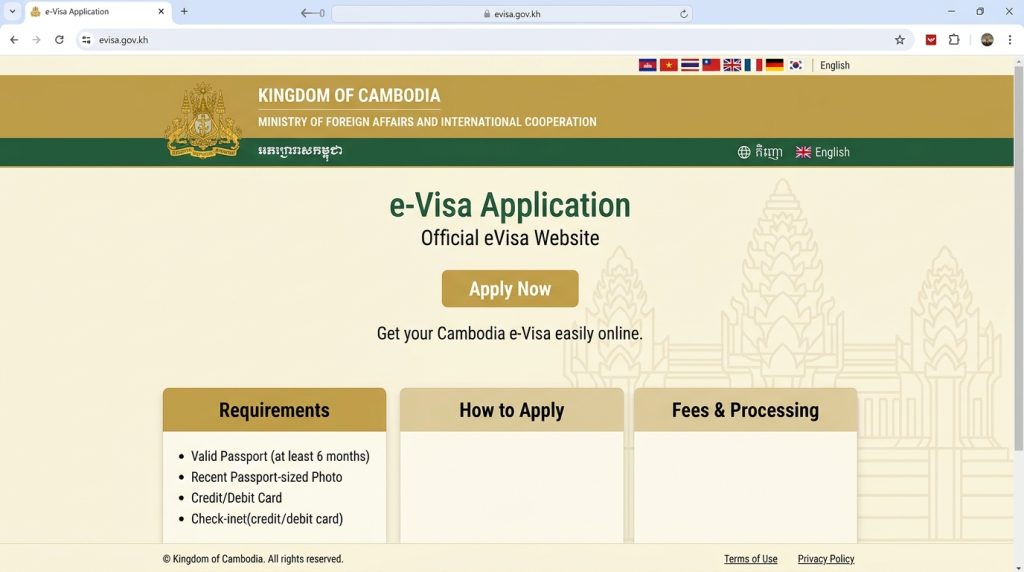
In recent years, the Cambodian Ministry of Foreign Affairs has modernized its immigration systems to encourage global tourism. The electronic visa (e-Visa) has replaced the traditional, often cumbersome, embassy visits for many nationalities. This digital permit allows travelers to apply from the comfort of their homes, receiving their authorization via email.
This digital shift is particularly beneficial for South American explorers. Securing a CAMBODIA VISA FOR BOLIVIAN CITIZENS involves a simple online form, a digital passport photo, and a small processing fee. Once approved, the document is valid for a 30-day stay, providing ample time to explore the lush jungles and historic sites of the Mekong region.
Key Requirements for Entry
While the application process is user-friendly, travelers must ensure they meet the standard entry criteria to avoid delays at the border. Essential requirements typically include:
- Passport Validity: Your passport must be valid for at least six months from the date of entry into Cambodia.
- Digital Documentation: Keep a printed copy of your e-Visa alongside a digital version on your smartphone.
- Proof of Onward Travel: Though not always requested, it is wise to have your return flight details or bus tickets ready.
European travelers from the Balkan region also benefit from this efficient system. Obtaining a CAMBODIA VISA FOR BOSNIA AND HERZEGOVINA CITIZENS follows the same streamlined protocol, allowing for quick entry at major checkpoints like Phnom Penh and Siem Reap international airports.
Cultural Etiquette and Travel Tips
Cambodia is a deeply traditional society rooted in Buddhist values. To ensure a respectful visit, travelers should dress modestly when visiting temples—this means covering shoulders and knees. Additionally, the local currency is the Cambodian Riel, but the US Dollar is widely accepted in most urban areas.
When navigating the country, “Tuk-Tuks” are the preferred method of local transport, offering an open-air view of the bustling streets. For longer distances, a well-developed network of buses and private taxis connects the capital to the northern provinces.
Planning Your Itinerary
No trip is complete without witnessing the sunrise over Angkor Wat, but don’t overlook the hidden gems. The town of Kampot, famous for its world-class pepper, offers a quiet riverside retreat, while the islands of Koh Rong provide pristine beaches for those looking to unwind. By organizing your travel documents early and embracing the local pace of life, you can fully immerse yourself in the magic of Cambodia.
