
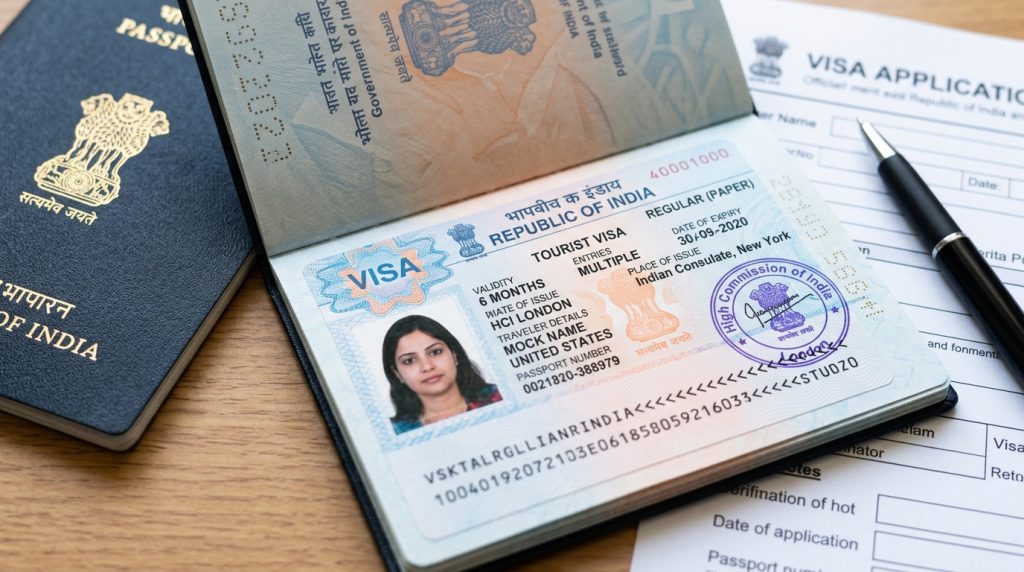
India is a destination that consistently captures the global imagination, offering a vibrant tapestry of ancient heritage and rapid modern innovation. From the iconic silhouette of the Taj Mahal to the serene backwaters of Kerala and the bustling tech corridors of Bengaluru, the subcontinent provides a unique experience for every type of visitor. As the country continues to strengthen its global ties, the process of visiting has become significantly more efficient through digital transformation and streamlined border management.
The Shift Toward Digital Entry
In recent years, the Indian government has prioritized a digital-first approach to immigration. The traditional method of visiting an embassy and waiting weeks for a physical passport stamp is largely a thing of the past for most tourists. The Electronic Travel Authorization (ETA), or e-Visa, has become the primary gateway for international visitors, allowing them to apply for their permits from the comfort of their homes.
When planning a journey, one of the most critical factors to consider is the administrative timeline. Understanding INDIAN VISA PROCESSING TIMES is essential for a stress-free departure. While many electronic applications are processed within 72 hours, it is highly recommended to apply at least 4 to 7 days before your intended travel date. This window allows for any minor clarifications requested by immigration authorities, such as a clearer passport scan or a more precise digital photograph.
Diplomatic Support and Global Connectivity
India’s commitment to fostering international relationships is reflected in the extensive network of diplomatic missions present within its borders. These offices serve as vital hubs for cultural exchange, trade negotiations, and providing assistance to foreign nationals residing in or visiting the country.
For travelers who may need administrative support or notary services during their stay, having access to a directory of EMBASSIES AND CONSULATES IN INDIA is incredibly beneficial. These diplomatic outposts, primarily located in major cities like New Delhi, Mumbai, and Chennai, ensure that global citizens have a direct point of contact for their respective governments. Whether you are a business professional exploring new markets or a student on a cultural exchange program, knowing where to find your nation’s representatives provides an added layer of security.
Best Practices for a Smooth Arrival
To ensure your transition into the country is as seamless as the application process itself, keep the following technical requirements in mind:
- Passport Validity: Your passport must be valid for at least six months from the date of arrival.
- Blank Pages: Ensure your passport has at least two blank pages for official immigration stamps.
- Biometrics: Upon arrival at a designated international airport, immigration officials will capture your biometric data (fingerprints and a facial photograph).
- Documentation: Always carry a physical printout of your approved ETA to present at the boarding gate and the immigration counter.
India remains a destination that rewards the well-prepared traveler. By leveraging the modern electronic visa system and ensuring all paperwork is in perfect order, visitors can bypass administrative hurdles and focus on the rich cultural experiences that await them. Whether you are exploring the vibrant spice markets of Old Delhi or attending a yoga workshop in the Himalayas, a smooth start to your journey sets the tone for an unforgettable experience.
