
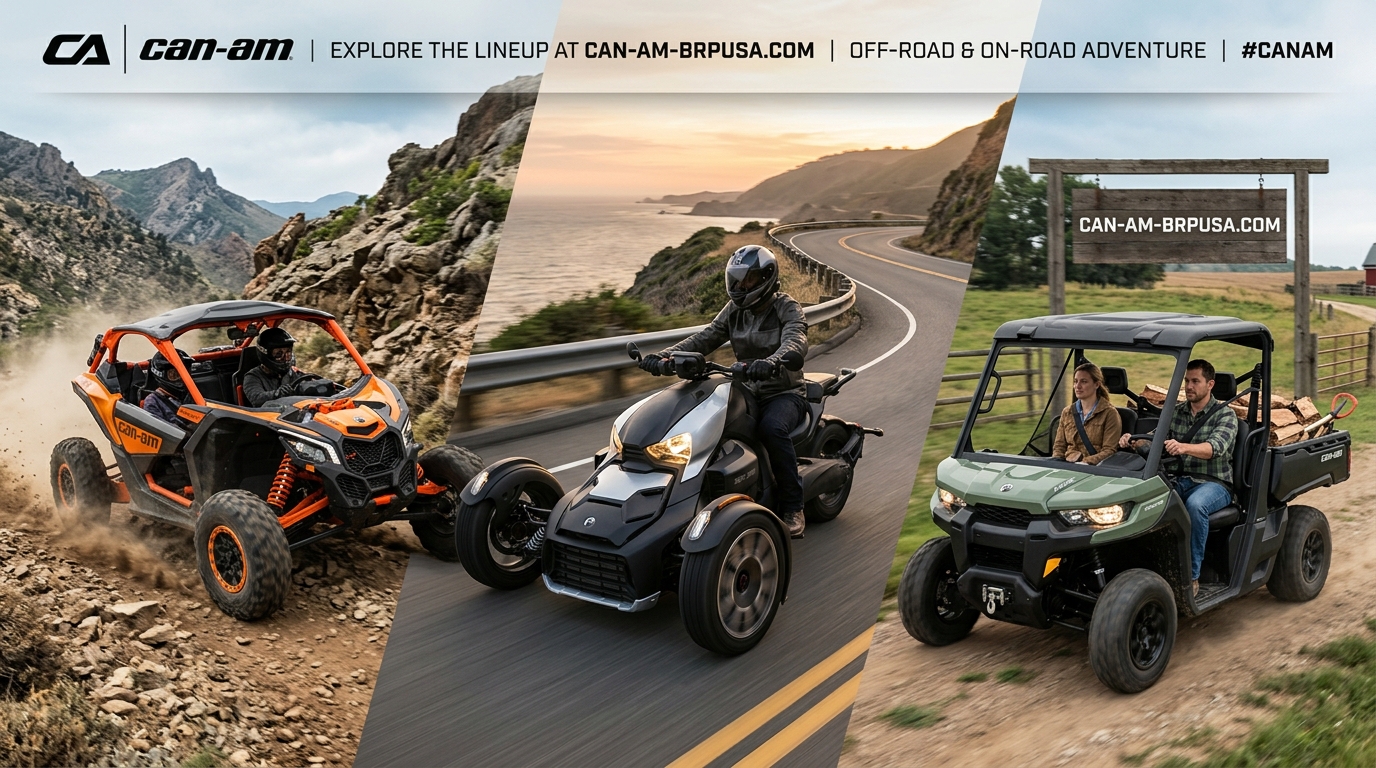

When it comes to off-road dominance, few names carry as much weight as Can-Am. Whether you are navigating rugged forest trails, hauling heavy loads on a job site, or tearing up sand dunes, power sports enthusiasts know that performance and reliability are non-negotiable.
Understanding the full ecosystem of off-road equipment, utility tools, and performance vehicles is essential for making a smart investment. From heavy-duty machinery to specialized powersports, choosing engineered equipment designed for harsh environments ensures long-term value. Below, we break down everything you need to know about the modern power sports landscape, performance features, and how to select the right setup for your demands.
What Sets Top-Tier Off-Road Engineering Apart?
Modern utility and recreational vehicles have evolved drastically over the last decade. Brands have shifted focus toward advanced suspension systems, intelligent throttle control, and modular accessory integration.
System | Quick tool-less attachment for gear & boxes|
+—————————+——————————————-+
When evaluating all-terrain equipment, three core elements dictate vehicle performance:
- Powertrain Efficiency: High-horsepower engines matched with continuous variable transmissions (CVT) deliver instant power without manual gear shifting clutter.
- Chassis Rigidity: Heavy-duty steel frames provide structural integrity during extreme flex, ensuring passenger safety and vehicle longevity.
- Ergonomic Design: Intuitive cockpit layouts, adjustable seating, and strategically placed storage make all-day rides comfortable and efficient.
Exploring the Lineup: Finding Your Perfect Match
Choosing the right machine depends on your primary use case. The market generally splits into three distinct categories:
1. Side-by-Sides (SxS / UTV)
Designed for both hard work and high-speed recreation, side-by-side vehicles feature bench or bucket seating for two to six passengers. Models engineered for extreme performance offer long-travel suspension capable of handling deep ruts and high jumps, while utility-focused builds prioritize towing capacity and cargo bed volume.
2. All-Terrain Vehicles (ATVs)
For single riders who need maximum maneuverability in tight quarters, ATVs remain the go-to choice. Modern four-wheelers incorporate tri-mode dynamic power steering (DPS) and selectable 2WD/4WD with automatic locking front differentials, allowing riders to adapt on the fly to mud, rock, or snow.
3. On-Road & Hybrid Cruisers
Beyond the dirt, three-wheeled roadsters have revolutionized paved highway cruising. Offering the open-air freedom of a motorcycle with the stability of a three-wheel architecture, these vehicles attract riders looking for stability without sacrificing thrill.
For riders and fleet owners looking to explore authentic performance models, parts, and detailed specifications, accessing specialized inventory at Can-Am Vehicles provides clear insights into modern powersports capabilities.
Essential Gear, Maintenance, and Tool Storage
Owning high-performance equipment requires proper maintenance and organized storage solutions. Whether you are working in a commercial workshop or maintaining your personal fleet in a residential garage, keeping your equipment fine-tuned is critical.
Pro Tip: Proper maintenance starts with organized tool management. Keeping impact wrenches, socket sets, and diagnostic devices in dedicated industrial toolboxes and wall-mounted racks cuts service times in half and protects sensitive diagnostic equipment from shop dust.
Recommended Servicing Checklist
- Fluid Checks: Inspect engine oil, differential fluids, and coolant levels every 50 hours of operation.
- Belt Inspection: Drive belts on CVTs endure severe thermal stress. Check for glazing, fraying, or wear before long excursions.
- Suspension & Bushings: Grease all A-arm pivot points and inspect shock seals for oil leaks after mud or sand rides.
- Tire Pressure & Beadlocks: Match tire PSI to terrain type—lower pressure for soft sand and mud traction, higher pressure for rocky trails to prevent rim pinch.
Buying Guide: Key Factors Before You Invest
Before purchasing a utility or sport vehicle, evaluate these critical factors:
- Terrain Type: Hard-pack dirt trails require standard mud/trail tires, whereas sand dunes demand specialized paddle tires and high-horsepower turbo engines.
- Payload vs. Towing Capacity: If you intend to haul firewood, gravel, or equipment trailers, prioritize vehicles with a class III hitch receiver and a high-capacity cargo box.
- Storage and Tool Transport: Look for integrated mounting systems that allow secure attachment of tool pallets, storage boxes, and cooler racks directly to the vehicle’s frame.
Final Thoughts
Investing in top-tier off-road and utility equipment transforms how you tackle work tasks and weekend outdoor adventures. By matching engine power, suspension capability, and proper maintenance gear to your specific lifestyle, you ensure maximum performance for years to come. Ensure you source your machinery, tools, and accessories from trusted, guaranteed suppliers to keep your rides smooth, safe, and dependable.
